


Image Source: vecteezy.com.
In Bhutan, the image of a monk meditating inside a cave carries profound historical and spiritual significance. For centuries, hermit monks and great masters have sought the solitude of caves to cultivate wisdom, compassion, and enlightenment. These sacred meditation caves, often nestled high in the mountains or deep within forests, serve as sanctuaries where the spiritual and natural worlds converge.
Meditation in caves is one of the oldest and most revered traditions in Bhutanese Buddhism. Many revered saints, including Guru Padmasambhava (Guru Rinpoche), Phajo Drugom Zhigpo, and Terton Pema Lingpa, are believed to have meditated in caves scattered across the Himalayas. These sites became known as drubphug (meditation caves) and remain powerful places of retreat and realization.
Within the quiet darkness of a cave, the monk finds freedom from distractions. The stillness, the cool stone walls, and the rhythmic sounds of nature—dripping water, whispering wind, and distant birds—create an atmosphere of deep introspection. It is here that the monk turns inward, engaging in prolonged meditation and visualization practices that transcend ordinary perception.
During such meditations, monks often practice deity visualization (Tibetan: yidam practice) or Dzogchen contemplation:
Visualizing Deities and Enlightened Beings: The monk may visualize Guru Rinpoche or other enlightened masters appearing within the space of the cave, filling it with radiant light and blessings.
Sacred Energy and Transformation: The practitioner imagines luminous energy emanating from the heart, dissolving ignorance and transforming the mind into pure awareness.
Union with Nature: The cave itself is perceived as symbolic of the enlightened mind—vast, empty, and luminous—mirroring the true nature of reality.
Historically, monks would remain in caves for months or even years, sustained by minimal food and guided by unwavering faith. These retreats were not acts of isolation but of deep spiritual training, aimed at attaining inner realization and benefiting all sentient beings.
Meditating in a cave teaches:
Detachment from material comfort and dependence on inner strength.
Deep communion with nature as a reflection of the enlightened state.
Unshakable focus, humility, and clarity born of solitude and silence.
A monk meditating inside a cave embodies the timeless quest for enlightenment that has shaped Bhutan’s spiritual landscape. The ancient tradition continues today, linking modern practitioners to an unbroken lineage of masters whose meditations in these sacred spaces illuminated the path of Dharma for generations to come.

Product 0076 showcases the depiction of Monk meditating, carved on ‘Both’.
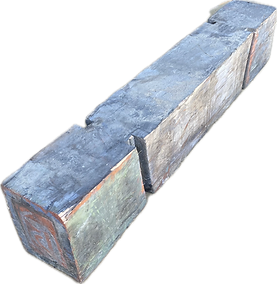
Our Timber Source is a remarkable piece with a rich history. It was originally utilized as a Bogh element in Chari Monastery and is believed to be around 400 years old. The age and significance of this timber element make it a valuable addition to any collection.
